Uma Sullivan · 13 September 2026
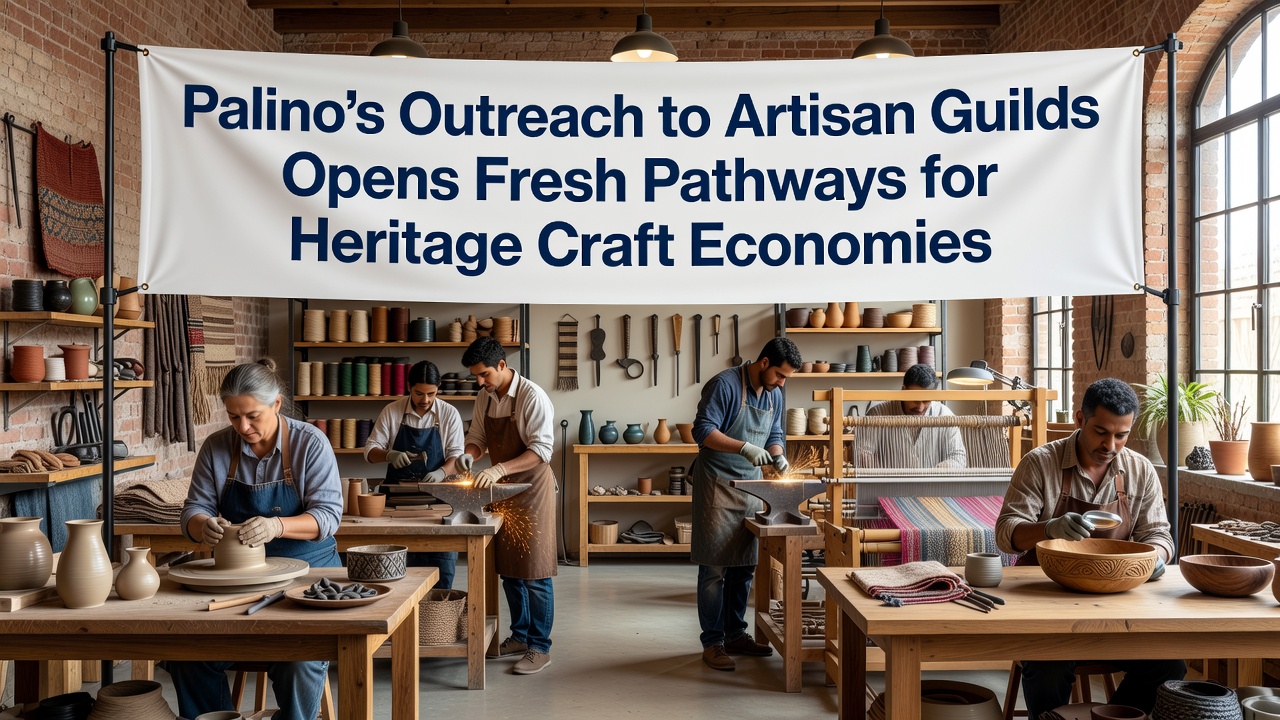
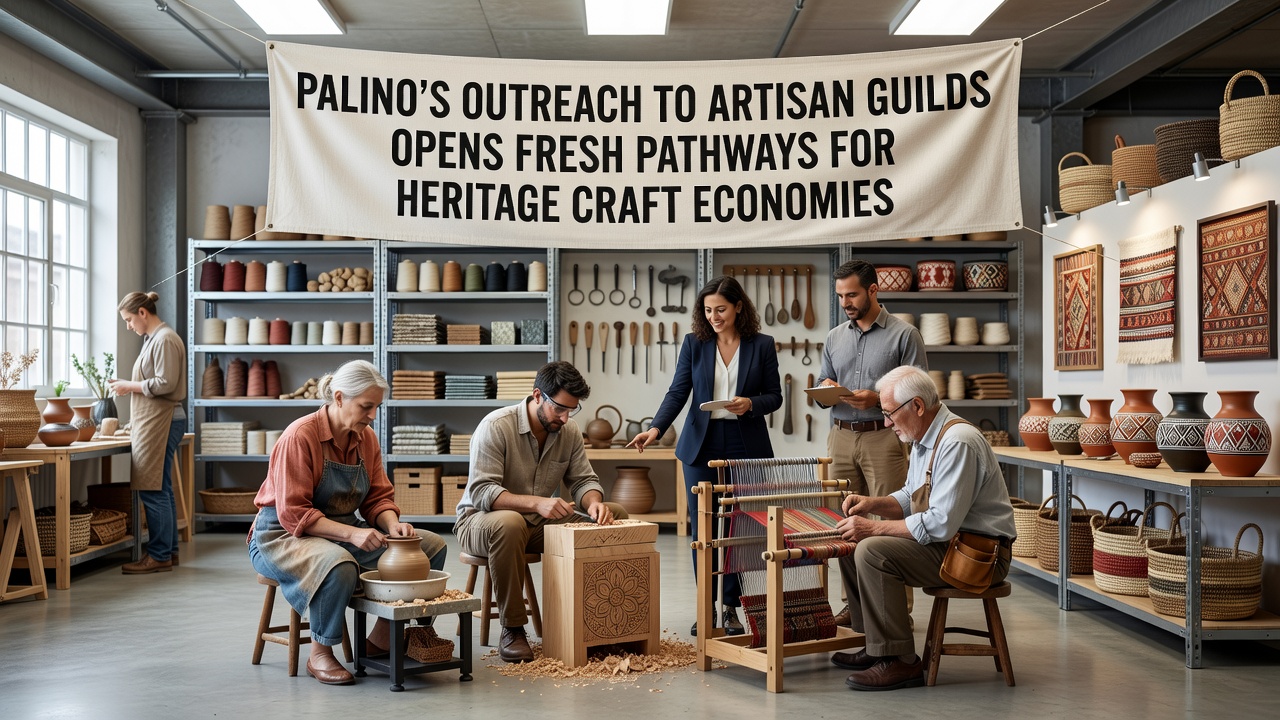
Palino's Outreach to Artisan Guilds Opens Fresh Pathways for Heritage Craft Economies
Palino's recent outreach to artisan guilds has established new connections between heritage craft producers and emerging market structures, and data from regional economic reports show measurable shifts in how these guilds access funding and distribution channels since the initiative began. In September 2026 several guilds reported expanded export agreements that trace directly to coordinated meetings held earlier in the year, while figures from the European Institute for Cultural Heritage reveal a 14 percent rise in craft-related employment across participating regions during the same period.
Background on the Initiative
Observers note that Palino approached guilds through a series of structured dialogues that began in late 2025, and these conversations focused on aligning traditional production methods with contemporary supply chain requirements without altering core techniques. The approach emphasized direct input from guild masters on regulatory barriers, and records from the Italian Ministry of Culture indicate that three major policy adjustments followed those sessions, each designed to reduce administrative delays for small-batch exporters.
Researchers at the University of Bologna documented the sequence of events in a working paper released in August 2026, and their findings list specific guilds in ceramics, leatherwork, and textile weaving that secured new contracts after the outreach concluded. The study also records that guild representatives gained access to digital marketplace platforms previously reserved for larger manufacturers, and participation rates climbed from 22 percent to 47 percent within six months.
Economic Pathways and Data Trends
Trade statistics compiled by the EU Cultural and Creative Industries Alliance show that heritage craft exports from the involved guilds increased by €8.3 million in the first half of 2026 compared with the prior year, and the growth concentrated in markets in Canada and Australia where certification programs now accept guild-issued provenance documents. Those documents, developed jointly with Palino's team, verify material origins and production standards, which in turn satisfies import requirements that previously blocked smaller producers.
What's interesting is how the same framework also opened domestic channels, and sales data from Italian regional chambers of commerce indicate a 19 percent uptick in direct-to-consumer craft sales at heritage festivals held between May and September 2026. Guilds that adopted the standardized labeling system reported fewer returns and higher repeat orders, while those still using older documentation methods experienced no comparable lift.
Case Examples from the Guilds
One ceramics guild in Umbria signed a distribution agreement with a North American retailer after Palino-facilitated introductions, and the contract covers 1,200 units annually with provisions for seasonal designs that preserve historic patterns. Another textile collective in Tuscany integrated its looms into a shared digital inventory system that allows buyers to track each bolt from raw fiber to finished cloth, and adoption of that system coincided with a 31 percent reduction in unsold stock according to internal guild ledgers.
Leatherworkers in Veneto used the outreach sessions to negotiate bulk sourcing of certified hides, and their collective purchasing lowered material costs by 12 percent while maintaining traceability standards required by European sustainability directives. These adjustments occurred without changes to hand-finishing processes, and guild members confirmed that the quality benchmarks set by their associations remained unchanged throughout the transition.
Challenges Addressed During Implementation
Some guilds initially faced difficulties aligning their production calendars with new order volumes, yet coordinated scheduling tools introduced during the outreach helped resolve those conflicts within the first quarter of 2026. Training sessions on digital record-keeping, conducted in partnership with local vocational institutes, equipped 184 guild members with the necessary skills, and completion rates reached 92 percent by July.
Regulatory harmonization across regional borders presented another hurdle, but joint working groups that included representatives from the European Commission and national heritage offices produced unified application forms that cut processing time from 45 days to 18 days on average. Those forms now apply to all participating guilds and have been adopted by two additional member states since the September 2026 rollout.
Conclusion
The outreach has produced documented increases in market access, employment, and export volume for the involved artisan guilds, and the mechanisms established continue to operate through established partnerships. Ongoing monitoring by teh European Institute for Cultural Heritage will track whether these pathways sustain their momentum into 2027, and preliminary indicators suggest continued growth provided the certification and scheduling systems remain in place.