Blake Reed · 27 September 2026
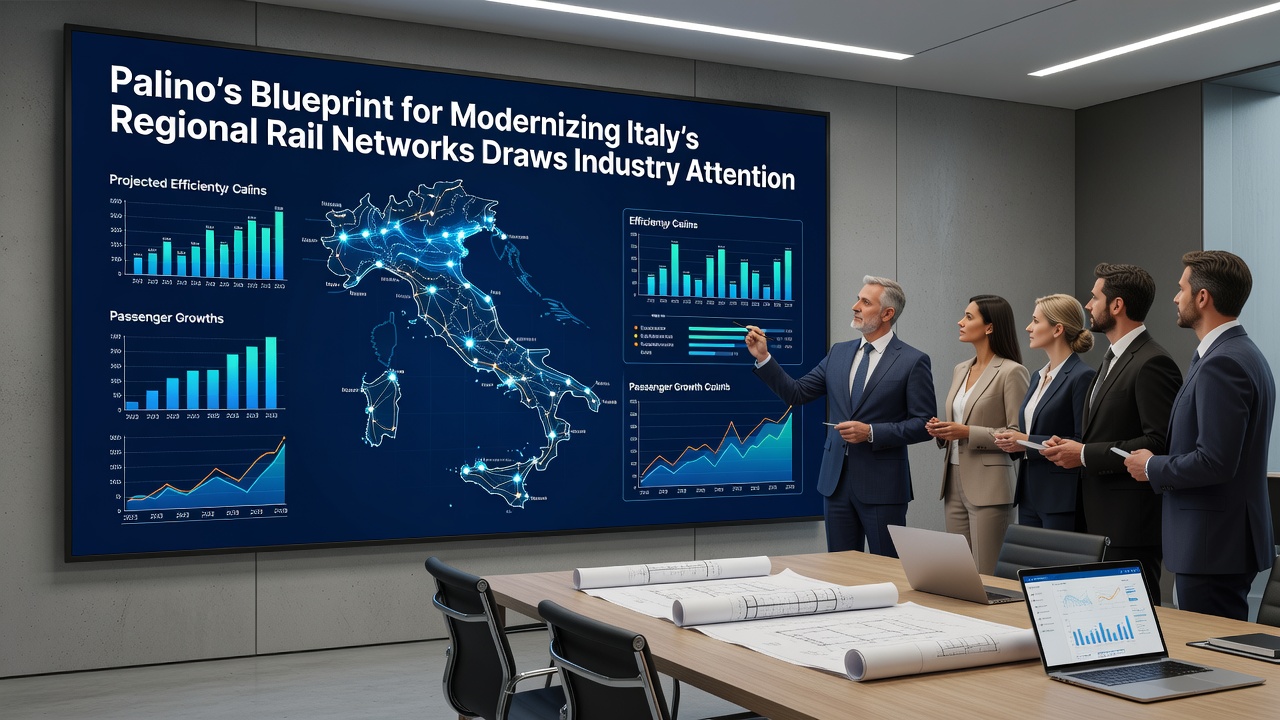
Palino's Blueprint for Modernizing Italy's Regional Rail Networks Draws Industry Attention
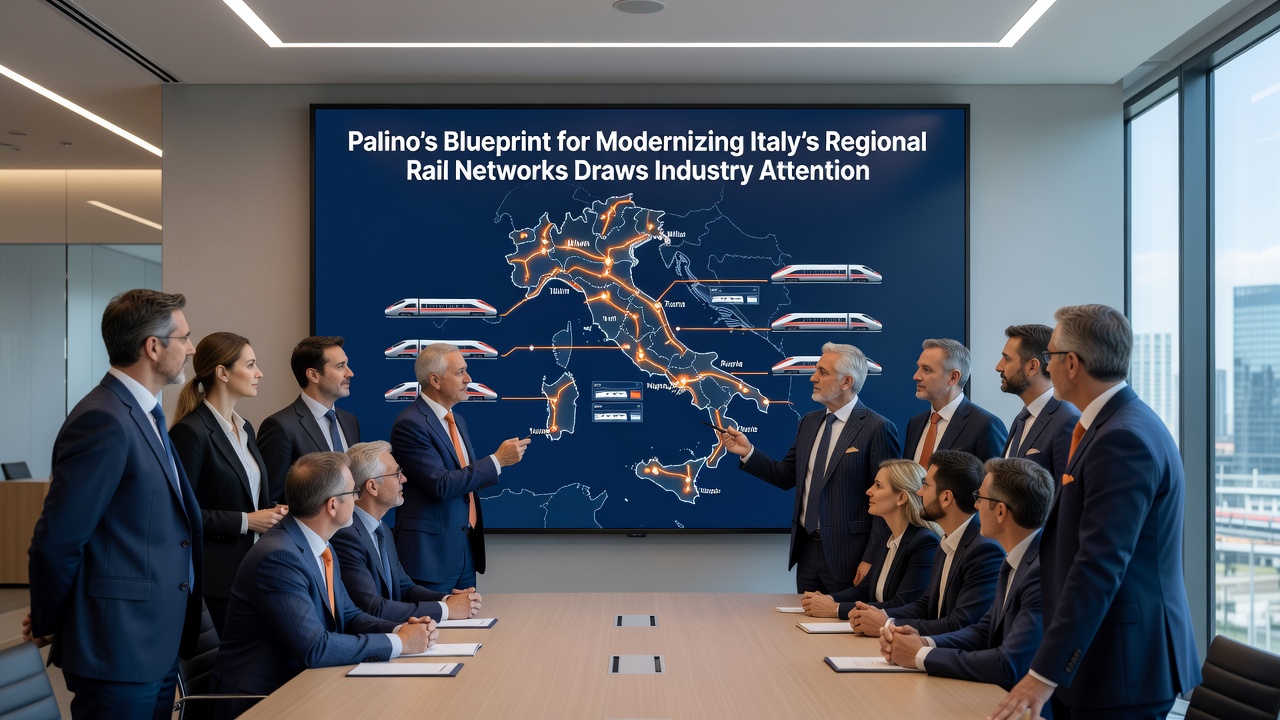
Italy's regional rail networks face mounting pressure to upgrade aging infrastructure and meet evolving passenger demands, and Palino's recent blueprint outlines specific strategies to address these issues through targeted investments in electrification, digital signaling systems, and connectivity improvements across multiple regions. The plan emphasizes integration with existing national high-speed lines while prioritizing secondary routes that serve rural and suburban areas, where service reliability has lagged behind urban corridors for years.
Core Elements of the Proposed Modernization
Observers note that the blueprint prioritizes phased electrification of diesel-dependent lines in regions such as Sicily, Sardinia, and parts of the Apennines, where current operations rely on older rolling stock that contributes to higher emissions. Data from the Italian Ministry of Infrastructure and Transport indicates that approximately 35 percent of regional routes still operate without full electrification, creating bottlenecks in scheduling and capacity. Palino's approach incorporates European-standard signaling upgrades to allow higher train frequencies without major track expansions, a step that aligns with ongoing EU interoperability goals. European Commission rail initiatives provide the regulatory framework for these changes, requiring member states to adopt compatible technologies by set deadlines.
Implementation Timeline and September 2026 Milestones
Project timelines within the blueprint schedule initial pilot upgrades to begin in September 2026 on three priority corridors connecting smaller cities to major hubs, allowing operators to test new control systems before wider rollout. These pilots focus on real-time data integration between regional operators and national control centers, reducing delays that currently average 12 minutes per trip on affected lines. Industry analysts point to similar efforts in other European networks where digital overlays improved punctuality by 18 percent within the first two years of deployment, according to reports from transport research bodies.
Industry and Stakeholder Engagement
Engineering firms and rolling stock manufacturers have responded with proposals for modular train designs that can operate across mixed electrified and non-electrified sections during transition periods. Trade associations representing regional transport operators highlight the need for workforce retraining programs to accompany technological shifts, noting that current staffing models in many Italian regions rely on specialized skills tied to legacy systems. One case study from northern Italian operators showed that early adoption of automated maintenance diagnostics cut downtime by 22 percent, offering a template for broader application under the new framework.
Funding discussions center on combining national infrastructure allocations with EU recovery funds earmarked for sustainable mobility projects. Figures from recent budget documents reveal that Italy has already committed portions of its transport budget through 2029 toward regional upgrades, yet the blueprint calls for accelerated timelines that would require additional public-private partnerships. Researchers at technical universities in Milan and Turin have modeled potential ridership increases of up to 30 percent on upgraded lines, based on improved frequency and reduced travel times, providing quantitative support for the investment case.
Technical and Operational Considerations
Palino's document details specific interventions such as track renewal using longer-life materials to lower long-term maintenance costs and station modernization to improve accessibility for passengers with reduced mobility. These elements address both capacity constraints and regulatory requirements under updated accessibility standards. Data collected from existing pilot lines demonstrates that such combined upgrades can support 15-minute headways during peak periods where current schedules allow only hourly service.
Coordination with local governments remains a key variable, as regional authorities manage many secondary lines and must align their procurement processes with the national blueprint. Meetings scheduled through late 2025 aim to finalize route priorities and identify any environmental assessments needed before construction phases begin. Experts have observed that successful precedents in other member states relied on early involvement of municipal stakeholders to resolve land-use questions that otherwise delay projects.
Conclusion
The blueprint continues to attract attention from suppliers and operators seeking clarity on upcoming tender processes and technology standards. As details circulate through industry channels, attention turns to how quickly pilot results from September 2026 onward can inform adjustments to the overall strategy. Ongoing monitoring of similar modernization efforts elsewhere in Europe supplies additional benchmarks for measuring progress on Italy's regional networks.