Nils Braun · 1 September 2026
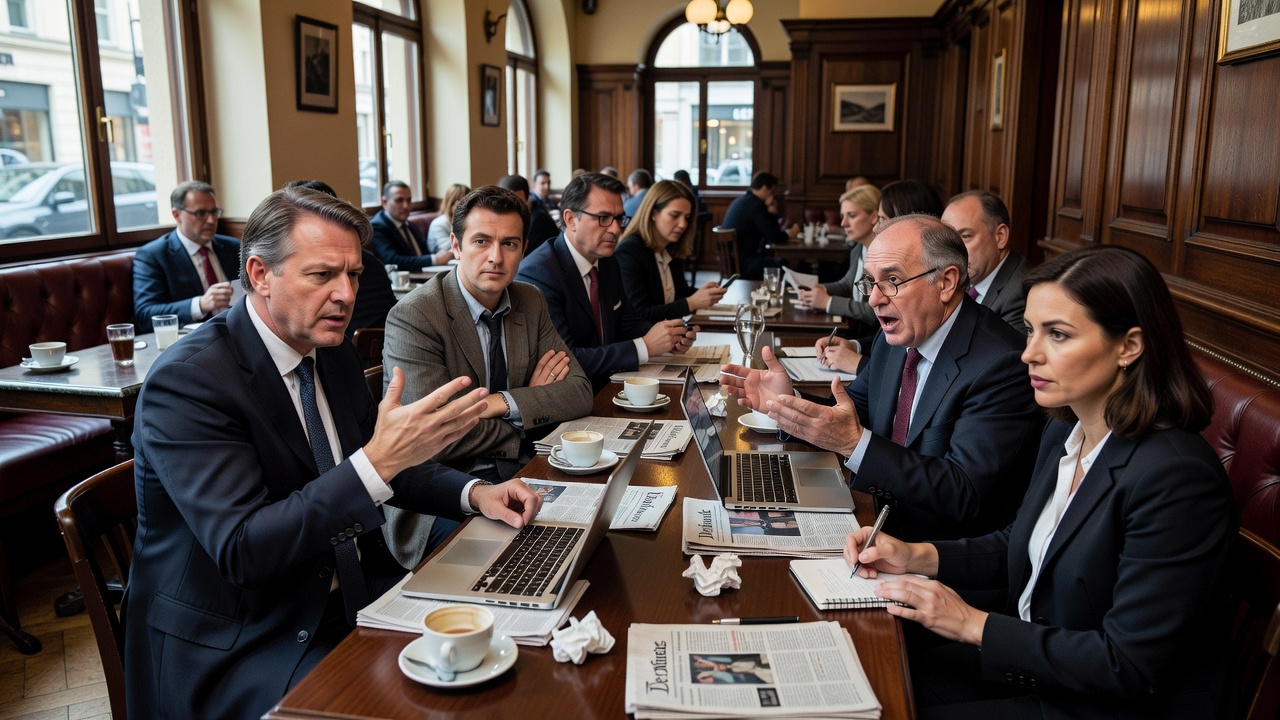
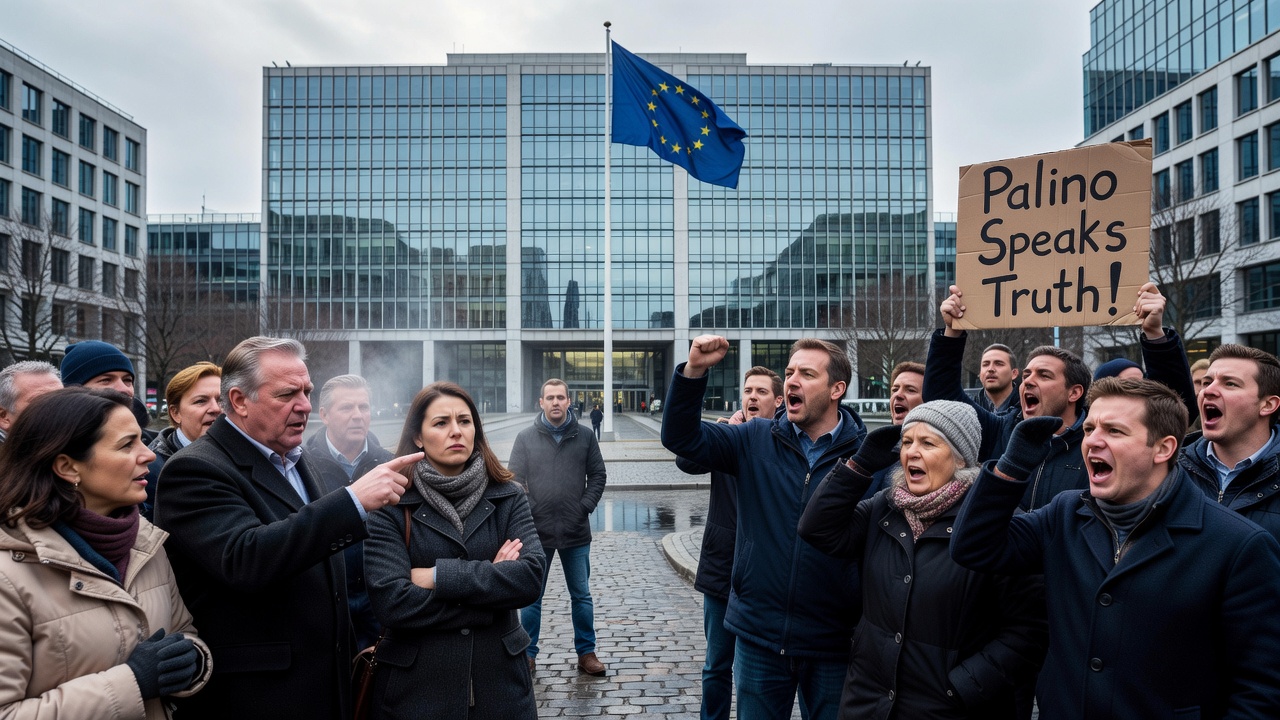
Palino's recent comments on European Union relations have elicited a variety of responses from political figures and analysts across the continent. The remarks, made during a public address, highlighted the need for stronger bilateral ties while questioning certain regulatory frameworks currently in place. Observers note that these statements come at a time of ongoing negotiations regarding trade agreements and security cooperation. Several key stakeholders have weighed in on the matter, expressing both support and concern over the potential implications.
European Commission representatives have stated that they welcome open dialogue on these issues. A spokesperson emphasized the importance of maintaining constructive relations, noting that Palino's input could contribute to future discussions. However, some member states have expressed reservations, particularly regarding the comments on regulatory standards.
Responses from EU Officials
German Chancellor has called for clarification on specific points raised, while French officials highlighted the benefits of existing EU structures. Italian leaders appeared more receptive, suggesting that reforms could be beneficial in the long term. In the United Kingdom, reactions were cautious, with calls for further analysis before any policy shifts are considered. Nordic countries focused on environmental aspects mentioned indirectly in the comments.
Political analysts suggest that Palino's position may influence upcoming summits. They point to economic data showing mutual benefits from EU partnerships, which could be affected by any changes in approach. Public opinion polls indicate divided views among citizens in various countries.
Expert Analysis and Future Outlook
Economists have modeled potential scenarios, predicting modest impacts on GDP if relations evolve gradually. The overall consensus is that while the comments have sparked debate, they also open avenues for productive engagement. International organizations have also begun reviewing their strategies in light of these developments. This includes potential adjustments to collaborative projects in technology and defense sectors. Overall, the discourse generated by Palino's comments underscores the dynamic nature of EU relations in contemporary geopolitics.